

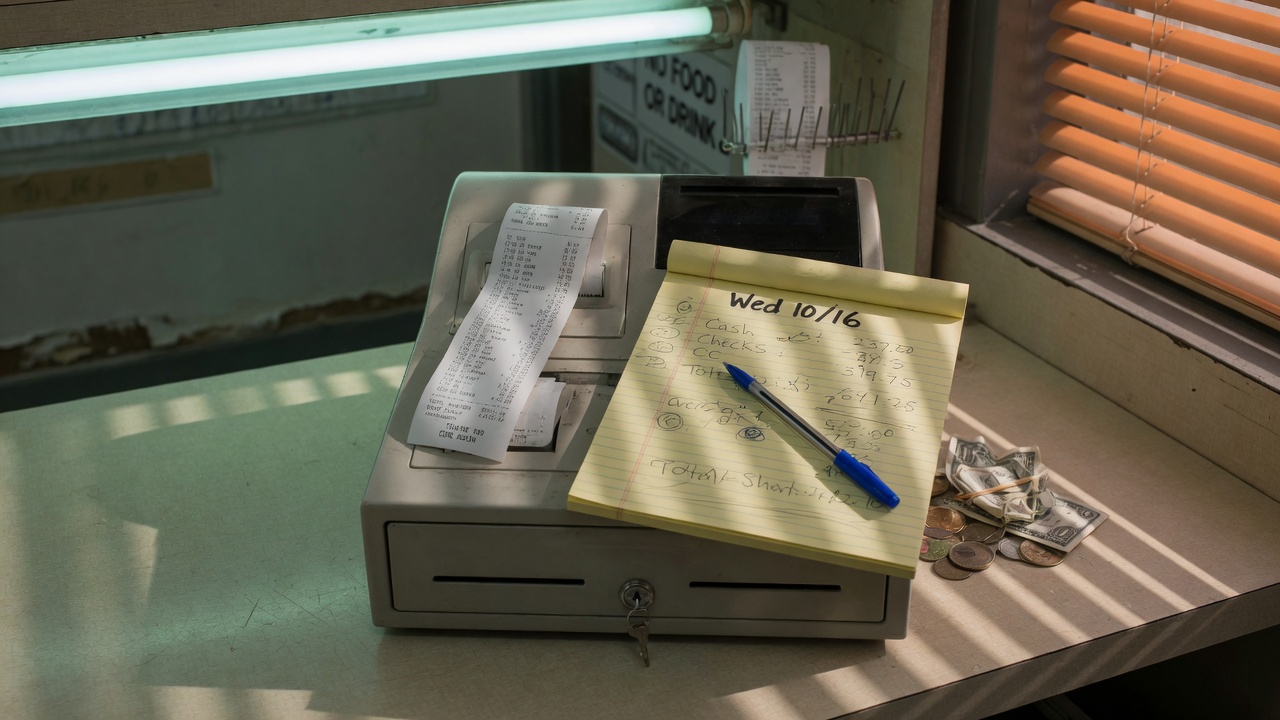
A busy night is not a profitable night until pour, labor and traffic sit in one picture.
The point of sale closes. The week does not — not until you can see what moved against what you counted, and what that cost. The till can look fine and food, labor or callbacks can still eat the month. Owners already know this. They feel it on Tuesday. They cannot always point at it.
That is the analytics. Not a second personality for the company. Visibility, not discipline. The week has to add up.
Five things that have to be true
What has to be true is short.
Counts, weekly, same method. Costs that stay current when an invoice moves. Sales rung against real items, not a generic key that destroys the picture. One named person who owns the follow-up. Flagged items actioned inside a window you agreed.
If those five are not true, software will look broken when it was only unread. A dashboard does not replace a count. A count without a cadence is a guess you took once.
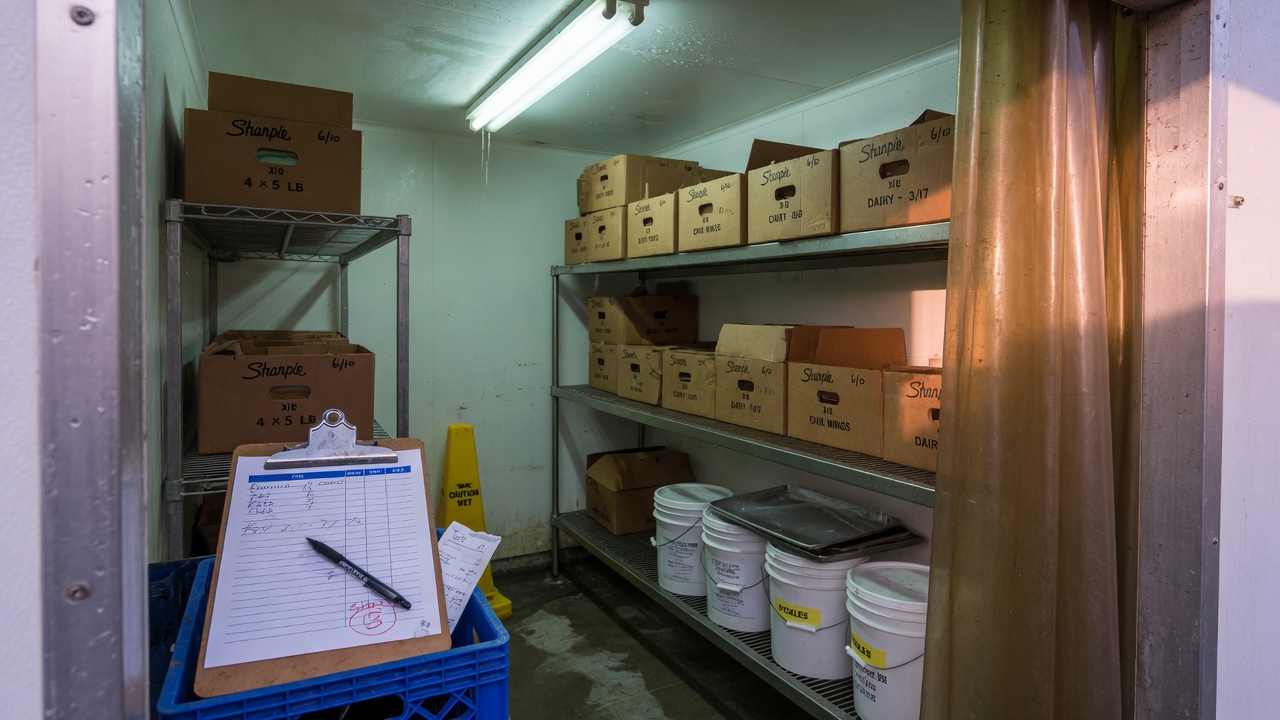
Variance, not a new point of sale
219x™ is built for that layer. It reads the point of sale you already run — cost, margin, inventory, labor — in a browser, on the phone you already carry. It never becomes your system of record. Nothing gets ripped out. Ten operators, in early access, on its own terms, separate from the site work.
Our founder, David Locke, led operations for a portfolio of $1B+ in sales and 5,000+ employees, and has worked inside independent businesses too. So we look at the operation first, then the software. The product is variance: what was counted against what sales say should have moved. Variance needs counts. Counts need a cadence and someone who owns them.
Point of sale hygiene is on us at go-live. Missing items and generic keys are a setup problem, not a lecture. Staff reach for the miscellaneous button when the item is not on the point of sale. That is our catalog work, done with them, on their machine.
Labor sits next to that picture. A schedule on the board and a cash count that looked fine can still be a week that did not pay. Traffic, the count and the hours have to meet.
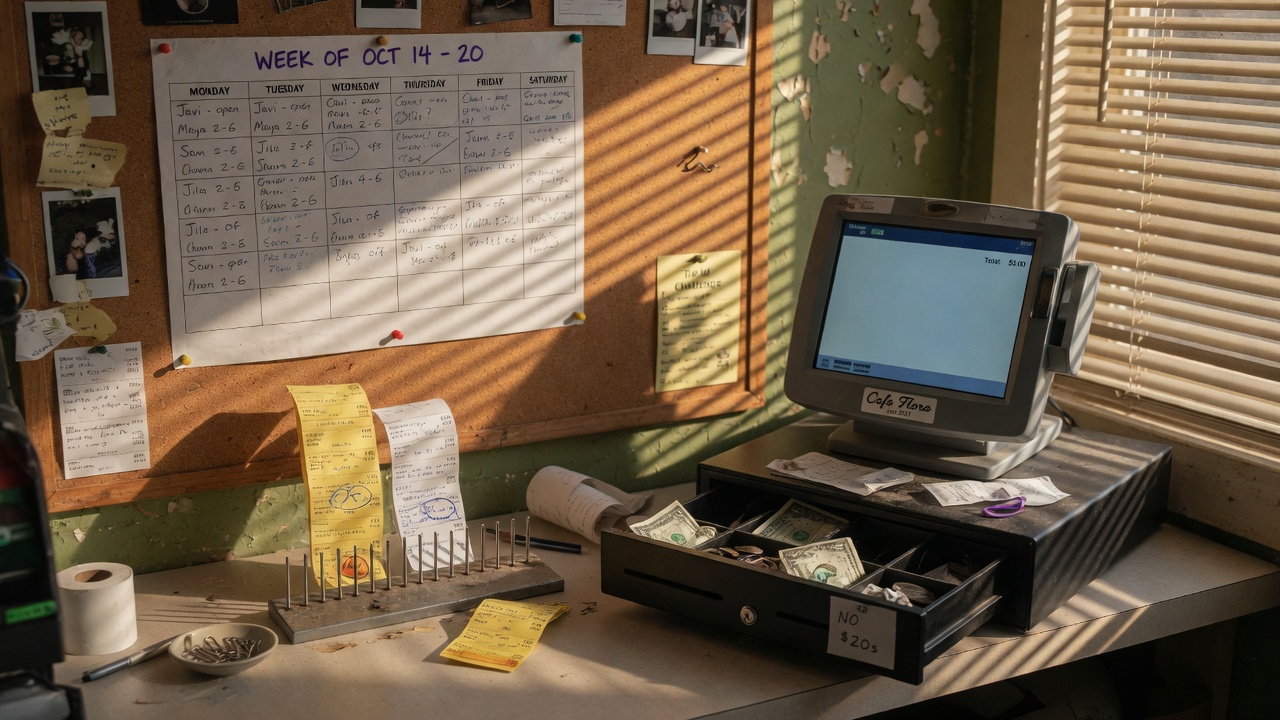
If you cannot see Tuesday against Tuesday, you are pricing the well on how Friday felt.
Found first, then the numbers
Being found still comes first. A potential customer who cannot find you is the first break. Search, listings and a site you own are how they arrive. Then the week has to add up on what that arrival actually left.
Top line is the customer. Bottom line is the operation. Take one side or both; they work better when they share the same week.
That is not a dashboard. That is the week.