

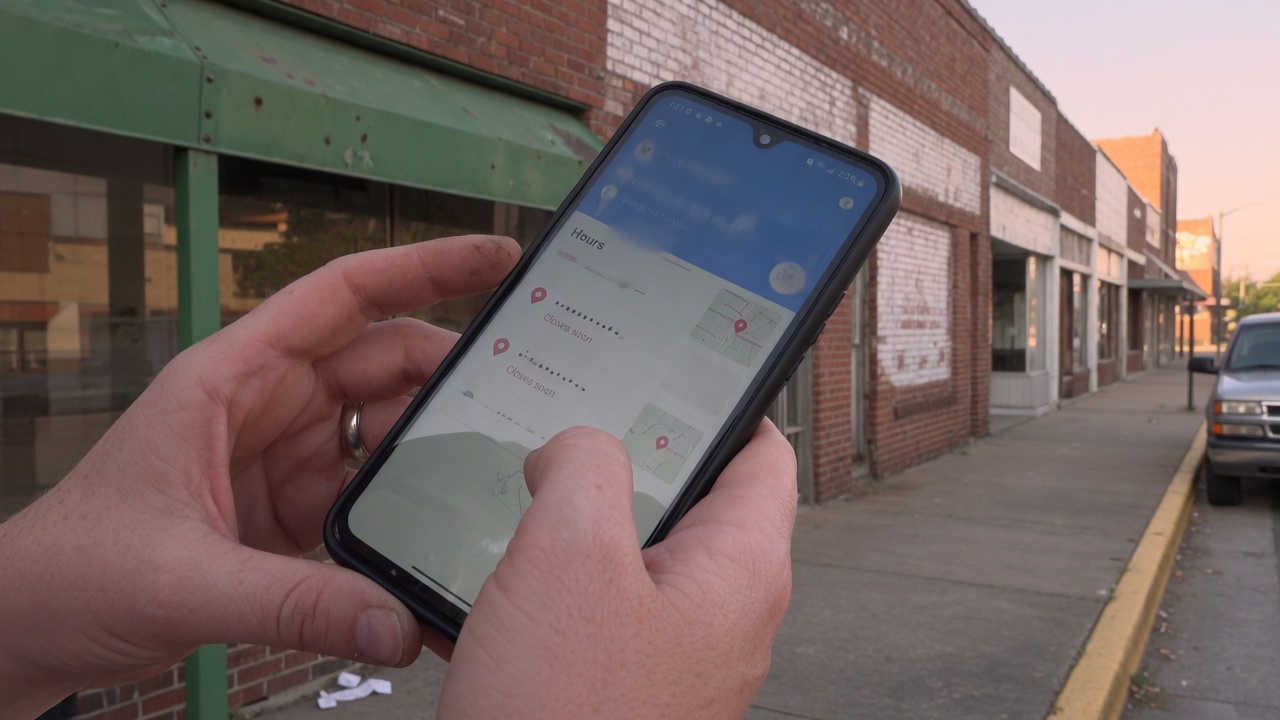
A potential customer does not start inside your business.
They start on a screen. Hours. A mark they can trust at a thumb's width. A number that reaches a person who is still here. If any of that is last winter, they do not come. They do not call to ask whether you remodeled. They go to whoever still looks open.
That is the first break. Not a conversion rate. Not a campaign. A person who needed you and could not tell if you were still the place.
Where they actually look
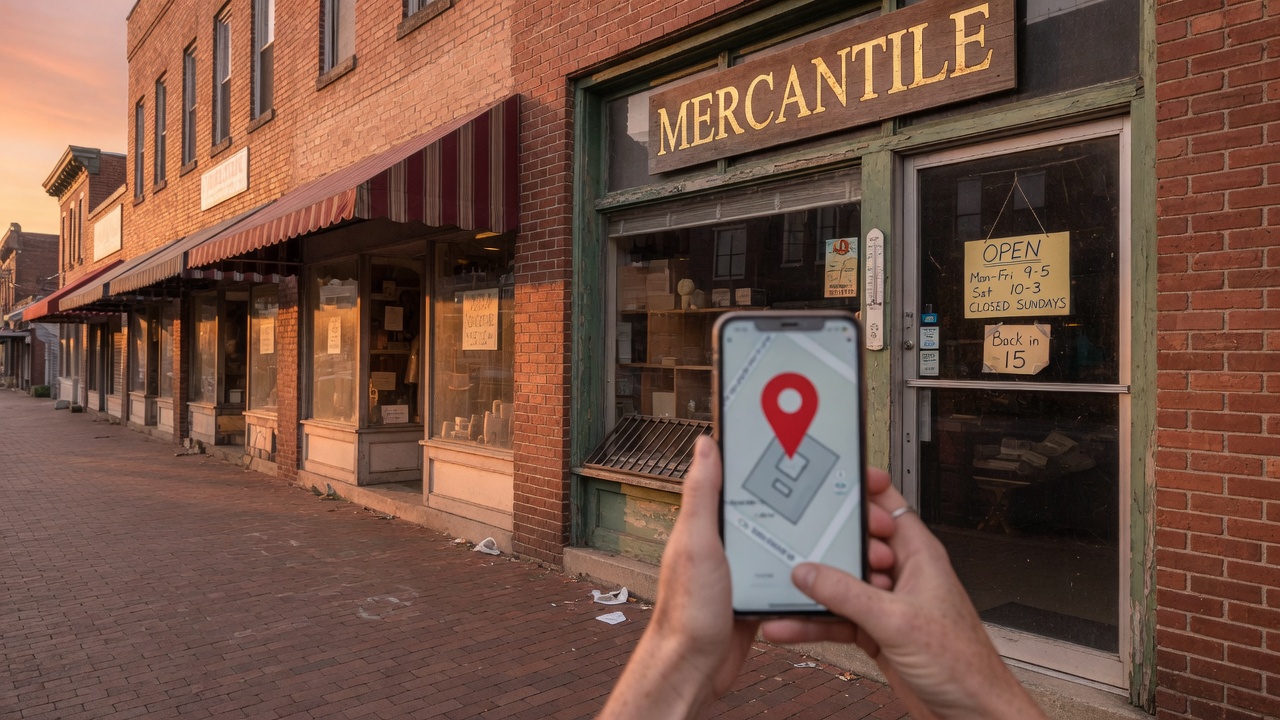
We consider how they will find you before the project starts, not after it ships. Google carries the most weight, so it comes first — but Apple Maps, Bing, Yelp and the directories specific to your trade are the same job. The maps follow the address. Hours, phone and the site URL have to be one address, not three versions of the truth.
The listing is last winter more often than owners think. A class that no longer runs. A hygienist who left in March. A food truck that is not coming. A partner name on a firm that no longer takes that work. Those are not Marketing problems. They are a potential customer sent to a room that no longer exists.
Reviews sit next to that listing. An unanswered two-star from a remodel two years ago is still the first thing they read. A five-star from last Tuesday does not erase it. The work is to keep the page true, and to answer the one that is sitting there.
The mark has to hold up small
The site has to be this business: what you sell, when you are open, how to start, photographs that are this year. The mark on the awning, the page and the listing as one place. Not a rented theme. Not a brochure PDF. You own the files. Transfer is a zip and a DNS sheet, not an account puzzle.
A mark that only works as a wide banner on a desktop does not work on a phone. One color. Thumb's width. The same drawing on the van, the glass and the pin. If those three look like three shops, the potential customer picks none of them.
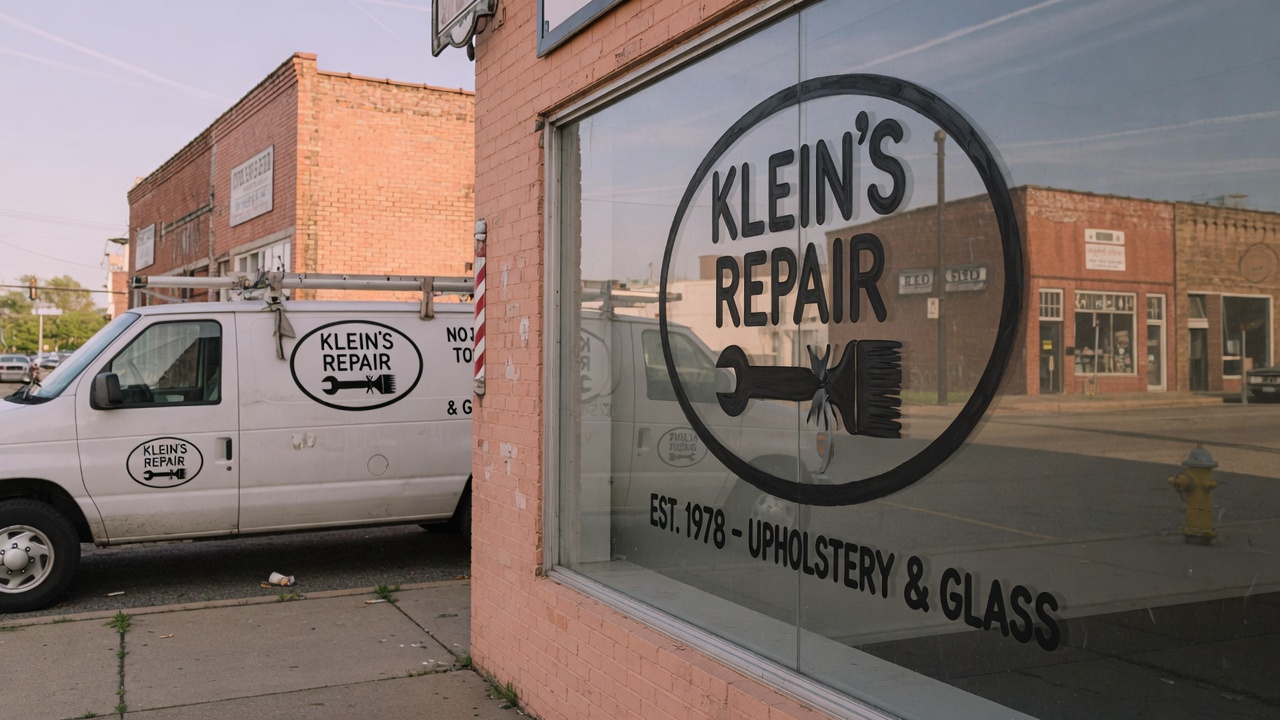
Can they find you tonight, and when they do, is what they find true.
Then the week
Central Arkansas operators already know this in their bones. The towns you run, after-hours, a number on the van that is also on the page. A national board stealing the search is the competitor, not the shop across town. We start where they actually look.
Being found brings in the top line. What that revenue cost is a separate question, and that is where POS and 219x Ops™ come in. SEO does not replace a good point of sale. We usually start with being found, because that is where most businesses lose a customer first.
The work is simpler than a campaign: hours that match, a number that rings, a site you own, a listing that is this season. That is the start of the week.